




Mafia Island
The morning begins with a flight from Zanzibar to Mafia Island. Less than an hour in the air, and you already feel as though you are travelling to a place that not everyone gets to experience. After landing, a quick transfer takes you to the boat — the ocean shines like glass, and the most beautiful part of the day is just beginning.
Spend several hours on the water, surrounded by turquoise colours and peaceful silence, until suddenly you see HIM — the whale shark, the gentle giant of the ocean. You jump into the water and swim alongside the world's largest fish. It is a moment filled with emotions that cannot be bought anywhere else. This is premium travel in its purest form.
After returning to land, discover the peaceful and authentic Mafia Island — away from crowds and without the rush, with a genuine local atmosphere. Then enjoy a fresh seafood lunch, exotic and perfect after an ocean adventure. Finally, take the flight back to Zanzibar with the feeling that you have experienced something truly extraordinary.
This is an experience that gives you prestige, emotion and memories that will stay with you forever.

Sunset
A sunset in Zanzibar is like a poem that writes itself — without words, only through colour and silence.
On a boat, the ocean gently sways like a peaceful thought, while the sky melts into gold, pink and delicate violet. You watch as the light touches the horizon so softly, as if it were afraid to wake it. It is a moment that does not demand attention — it simply exists and allows you to feel more than you can see.
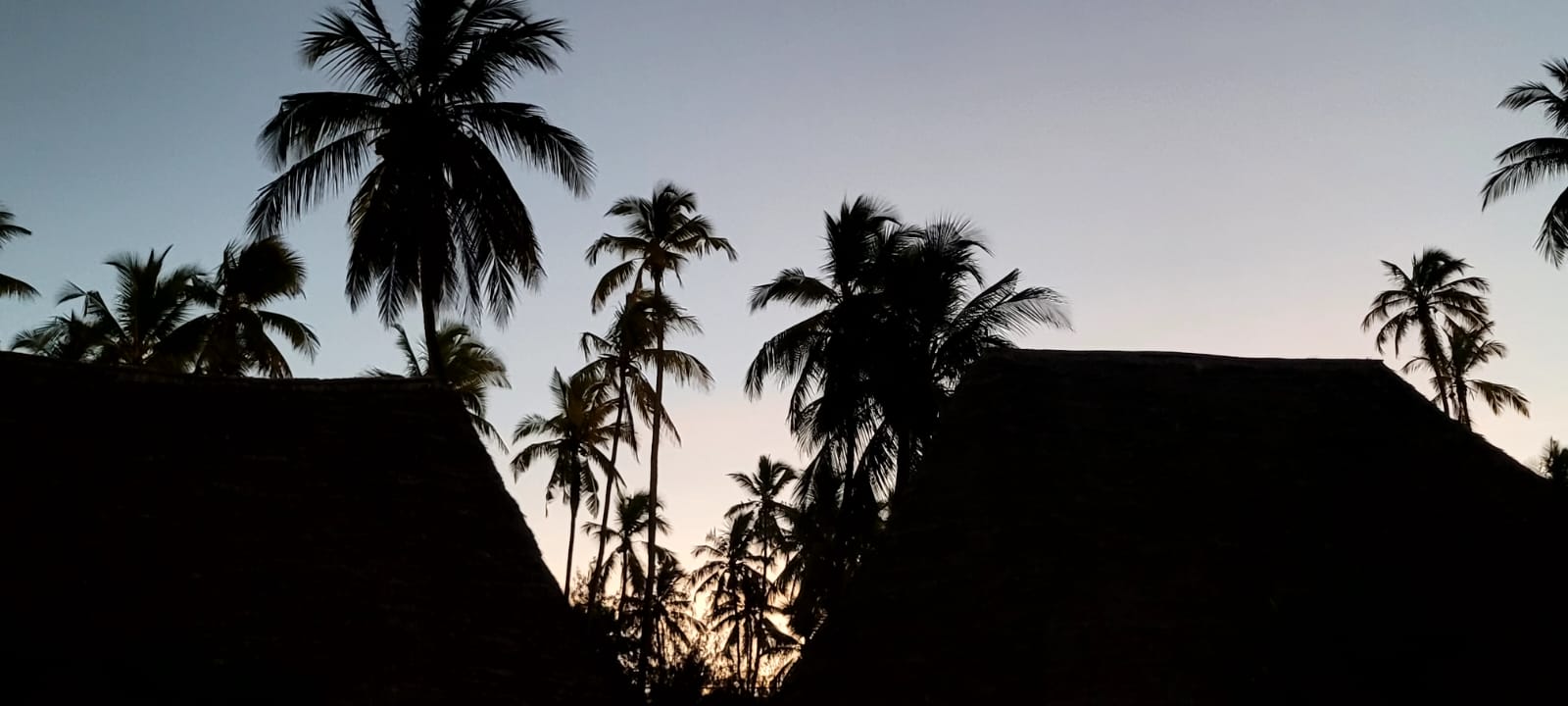
From the beach, the sunset looks like a soft watercolour. Warm sand, the sound of waves and palm trees creating silhouettes against the sky. The colours slowly fade, creating an image that reaches deeper than the eyes — straight to the soul. It is poetry made of light, staying with you long after the sun has disappeared.

Episode 1
Secrets of Zanzibar
Zanzibar – the island that smells of cloves and mystery
Imagine a place where the air smells of cloves, vanilla and cinnamon. Where the ocean changes colour every day, from turquoise to emerald, and time moves more slowly than almost anywhere else in the world. A place where narrow streets remember the footsteps of sultans, merchants, travellers and sailors who crossed the Indian Ocean hundreds of years ago.
This is Zanzibar.
Most people associate Zanzibar with paradise beaches and palm trees leaning over white sand. But the real Zanzibar begins where the tourist brochures end. It is hidden in the smell of spices, in the stories of local people, in the wooden doors of Stone Town and in a history shaped by Africa, Arabia, India and Europe.
On this island, almost every stone has a story.
The Island That Has Attracted the World for Centuries
Located off the coast of Tanzania, the Zanzibar Archipelago has been a stopping point for sailors travelling across the Indian Ocean for thousands of years. Thanks to seasonal monsoon winds, ships from the Arabian Peninsula, Persia and India could regularly reach the island, bringing goods, ideas and new traditions. Over time, Zanzibar became one of the most important centres of trade on the East African coast.
Merchants traded spices, ivory, textiles, timber and many other goods. Alongside trade, Swahili culture developed — a unique combination of African roots and Arab and Persian influences. You can still hear it in the language, see it in the architecture and taste it in the cuisine today.
Why Did the Whole World Smell of Zanzibar?
Few people know that for decades Zanzibar was one of the world's largest producers of cloves. This is how the island earned its famous name — the Spice Island.
Cloves did not originally grow here. They were introduced in the nineteenth century by the sultans of Oman, who realised that Zanzibar's climate was perfect for growing them. In a short time, plantations covered large parts of the island, and the aromatic spice began travelling to Europe, Asia and the Americas.
Even today, walking through a spice plantation is an unforgettable experience. Rub a cinnamon leaf, crack open fresh nutmeg or smell the buds of a clove tree, and you will understand why Zanzibar has fascinated travellers for centuries.
Stone Town – The Heart of the Island
If Zanzibar has a soul, it beats in Stone Town. A maze of narrow streets, carved doors, coral-stone walls and small squares creates one of the most fascinating urban environments in Africa.
Walking slowly through the streets, you can hear vendors calling, children laughing on their way home from school, the smell of freshly baked chapati and the sound of the muezzin calling the faithful to prayer. Together, these elements create the unique atmosphere of a city recognised as a UNESCO World Heritage Site.
Every richly decorated door has a story. Its size, ornaments and details were not accidental — they could reveal the owner's wealth, origin and social position.
Pole Pole – The Philosophy of Everyday Life
On Zanzibar, it is difficult to rush. Not because people do not value time, but because they believe life should be experienced consciously.
The words "Pole Pole" literally mean "slowly", but in practice they are an invitation to stop and appreciate what truly matters: a conversation with another person, the sound of the ocean, a sunset or a shared meal.
For many travellers, this change of rhythm becomes one of the most beautiful memories of their journey.
An Island of Many Cultures
Walking through Zanzibar feels like travelling across continents. On one street you may see Arab arches, a few steps later Indian-style balconies, and around the corner an African market filled with colours and aromas.
This is the result of centuries of cultural exchange. Arabs left their influence on architecture and religion, Indians developed trade, Europeans introduced new administrative systems, while African communities created the foundation of Swahili culture, which remains at the heart of the island.
The Zanzibar You Will Not Find in the Brochures
The most beautiful memories often come from simple moments. A conversation with a fisherman preparing his dhow for the morning catch. Children playing football on the beach during low tide. Women collecting seaweed. An older man sitting beneath a mango tree, smiling as he responds to the greeting "Jambo".
These are the encounters that make so many travellers fall completely in love with Zanzibar.
Episode 2
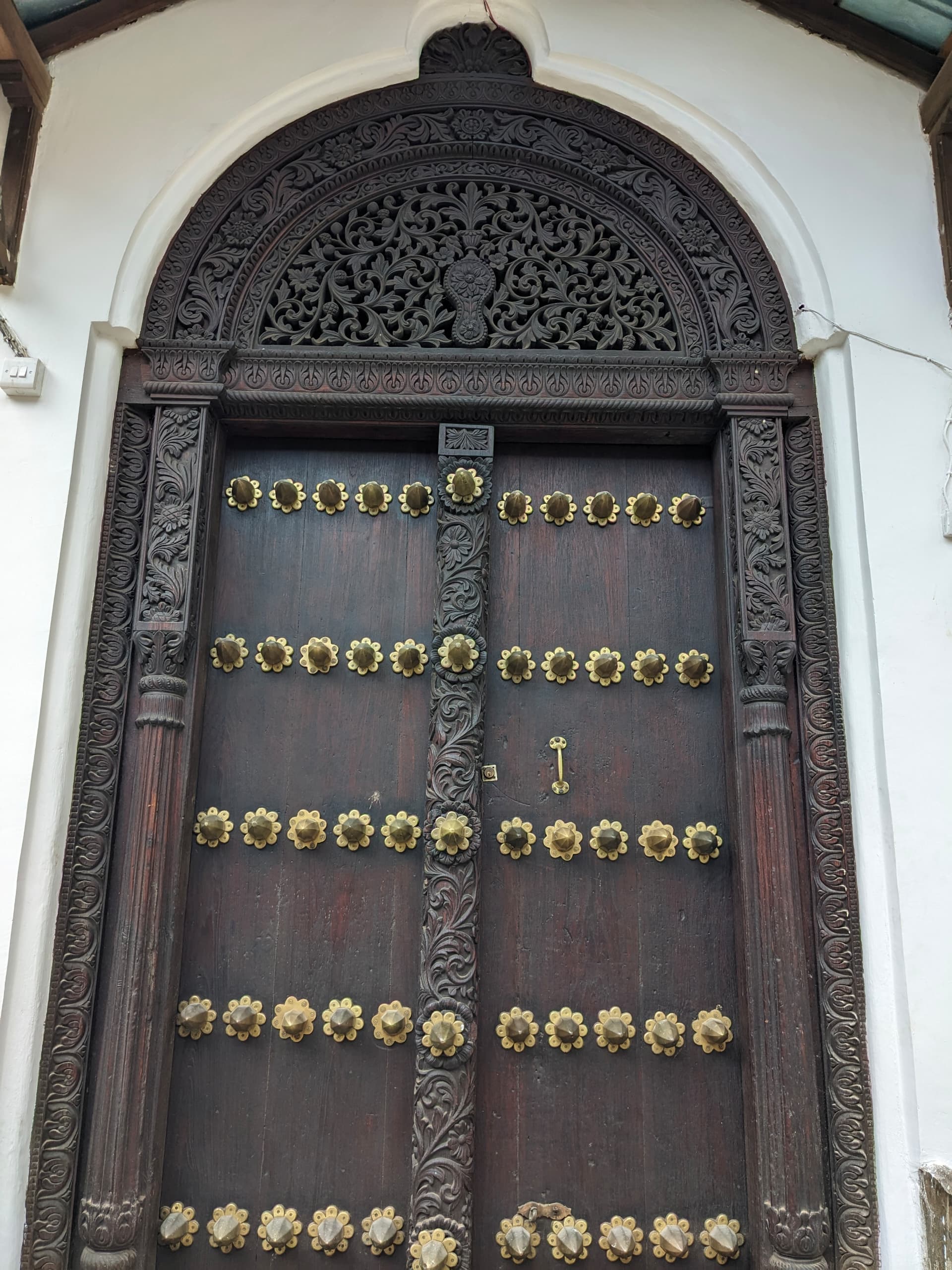
The Doors That Speak – Reading the History Carved into Stone Town's Wood
"In Zanzibar, do not ask about the house first. Look at its door. It may tell you more about its owner than a thousand words."
Most tourists walking through Stone Town photograph the monumental, carved doors. They admire the intricate ornaments, heavy brass fittings and dark wood that has survived for decades, and sometimes centuries.
Few realise that these doors were much more than entrances.
They were the family's identity. A symbol of wealth. A story about the owner's origins. And sometimes a discreet message for anyone who knew how to read their hidden language.
When you walk through Stone Town, you are therefore not simply looking at architecture. You are reading the history of the city written in wood.
A City Where Every Door Has a Story
Stone Town does not resemble any other city in Africa.
The streets are so narrow that sometimes two people can barely pass each other. Wooden balconies hang above you, the smell of cardamom coffee drifts from open windows, and the call to prayer can be heard around the corner.
Within this maze are hundreds of historic doors.
Each one is different. No two are exactly alike. They were made by hand, and each one was designed to say something.
Doors Were Like Today's Social Media Profiles
Today, people display their status through their homes, cars or social media profiles. Two hundred years ago, people in Zanzibar did something very similar. Their "profile" was their front door.
The wealthier the owner, the larger the door. The larger the house, the more elaborate the carving. The higher the social position, the more symbols appeared in the wood.
A wealthy merchant did not need to announce his success. The entrance to his home said it for him.
Why Were They So Large?
Imagine returning to Stone Town around 1850. Caravans fill the streets. Ships arrive from India, Oman and Persia. Markets are filled with spices, silk, timber, porcelain and ivory.
Merchants wanted to demonstrate that their businesses were thriving. They built increasingly impressive homes, and the doors became their most important symbol of status.
The finest wood was brought from mainland Africa or India. Skilled craftsmen could spend many months working on a single door.
Arab or Indian?
This is a question often asked by guides, because Zanzibar developed two major door styles.
Arab-style doors are generally rectangular, massive and richly carved, often featuring floral and geometric patterns inspired by Islamic art.
Indian-style doors often have rounded upper sections, more delicate details and floral ornaments, frequently accompanied by brass decorations.
What Were the Metal Spikes For?
This is probably the most recognisable feature of Stone Town doors. Many people believe the spikes were designed to keep elephants away. It is a beautiful story — but it is not true.
Elephants never wandered through the streets of Stone Town. The metal spikes were an architectural feature borrowed from India. In Zanzibar, they became primarily decorative and served as a symbol of prestige.
Wood Designed to Survive Generations
The wood used to build these doors had to withstand tropical sunlight, humidity, salty sea air, heavy rain and the passing of time.
That is why many have survived for more than a century. Some are even older and continue to serve the people living behind them.
The Doors Were Works of Art
Craftsmen worked without modern machinery. Every ornament was created by hand — every leaf, flower and rosette.
Even today, residents of Stone Town treat many old doors with great respect because they form part of their family history.
Dario's View
"When I take guests through Stone Town, I often notice that everyone is looking straight ahead. Then I ask them to stop for a moment and look at the doors. Suddenly they realise that they have been walking past small works of art without noticing them."
Did You Know?
Hundreds of historic doors have survived in Stone Town, many dating from the nineteenth century. Some doors are protected as part of historic buildings. Their designs could reveal the owner's origins and social status.
Next Time You Visit Stone Town…
Do not rush. Stop in front of the first old door you see. Run your hand across the carved wood. Imagine merchants returning from distant journeys.
Then you will understand that Stone Town is not a museum. It is a living city, and its doors continue to tell stories to those who are willing to listen.
Recommended by MoYana ZURI
Exploring Stone Town with a local guide is completely different from walking through it alone. We stop at places that are easy to overlook, explain the meaning behind architectural details and share stories passed down through generations.
Episode 3
The Sultans Who Turned Zanzibar into a Kingdom of Spices
"Not every great power is born on a vast continent. Sometimes all it takes is a small island surrounded by turquoise ocean."
Today, Zanzibar is associated with paradise beaches and tranquillity. It is difficult to imagine that less than two hundred years ago, this island was at the heart of one of the most important trade routes in the world.
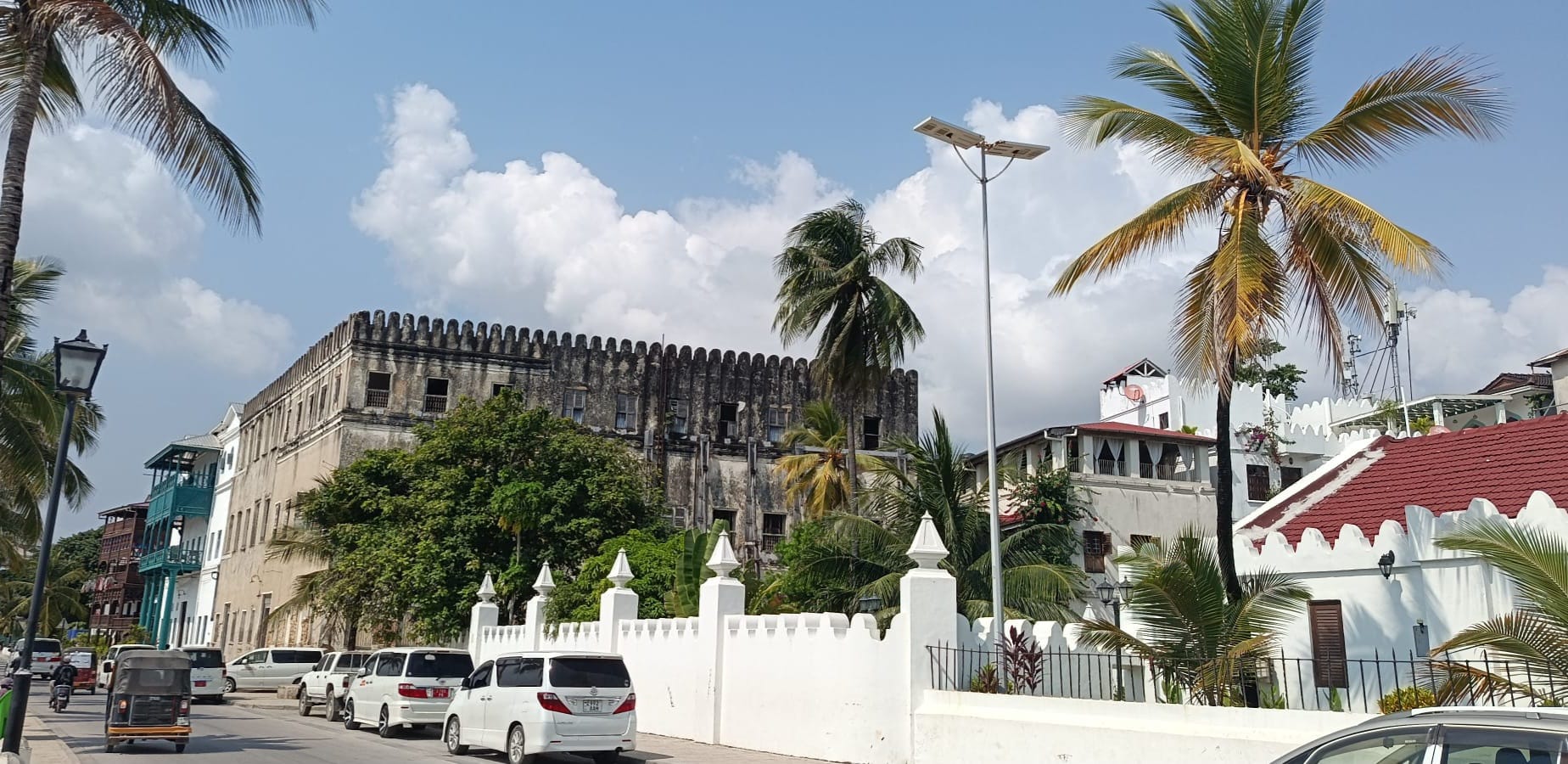
In 1840, Sultan Sayyid Said made a decision that changed the island's destiny. He moved his capital from Muscat to Zanzibar.
From that moment, the small island became a destination for merchants arriving from Arabia, India, Persia and Africa.
The port was alive from sunrise to sunset. Dhow sailing boats moved across the water, languages from around the world filled the markets, and the air carried the aromas of cloves, cinnamon and cardamom.
The sultans recognised that Zanzibar's fertile land was ideal for growing spices. Large clove plantations appeared, and the island became famous as the Spice Island.
Today, it is easy to walk past former palaces and historic buildings in Stone Town without realising that decisions made here once influenced trade throughout the Indian Ocean.
Dario's View
"When we stop in front of the old palaces, I ask guests to close their eyes for a moment. Imagine the sound of waves, the creaking of wooden dhows and the scent of spices carried by the wind..."
Did You Know?
For a period of time, the capital of the Sultanate of Oman was located on Zanzibar. Cloves became one of the island's defining symbols, while Stone Town developed a unique architectural style combining African, Arab, Indian and European influences.
Episode 4
Tears the Ocean Could Not Wash Away
"There are places where even the wind seems to speak more quietly."
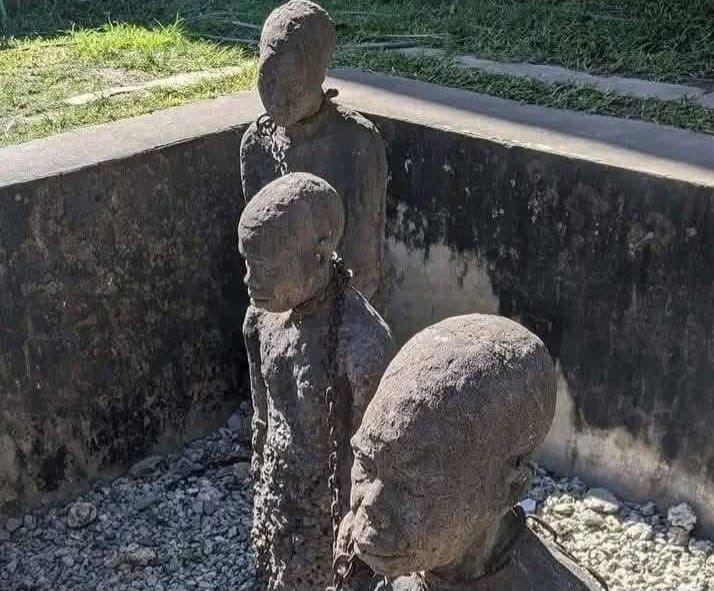
Walking through Stone Town, it is difficult to imagine that under the same sun some of the most tragic events in the island's history once took place.
The former slave-trading site is today a place of remembrance and respect for the thousands of people whose lives were forever changed.
Zanzibar is beautiful, but it also teaches humility. Truly understanding the island means not only admiring its paradise beaches, but also understanding the history that shaped its people.
Episode 5
Jinn – The Invisible Residents of Zanzibar
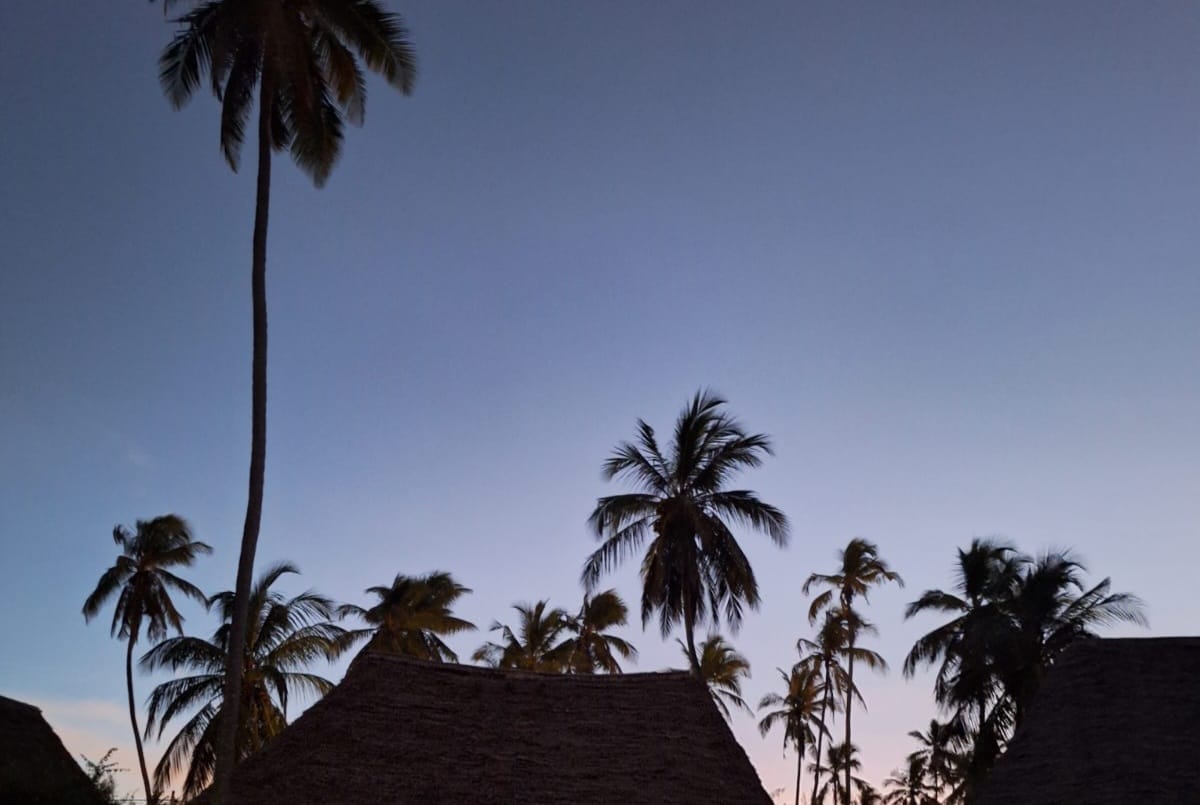
"When darkness falls, the stories of Zanzibar begin..."
For generations, people on the island have told stories about jinn — invisible beings present in local beliefs.
For some, they are simply legends. For others, they remain part of everyday life. Older residents still tell stories about places that are better avoided after dark.
Are they real? Everyone must decide for themselves. One thing is certain: Zanzibar lives not only through its history, but also through the mysteries that give the island its unique charm.
Episode 6
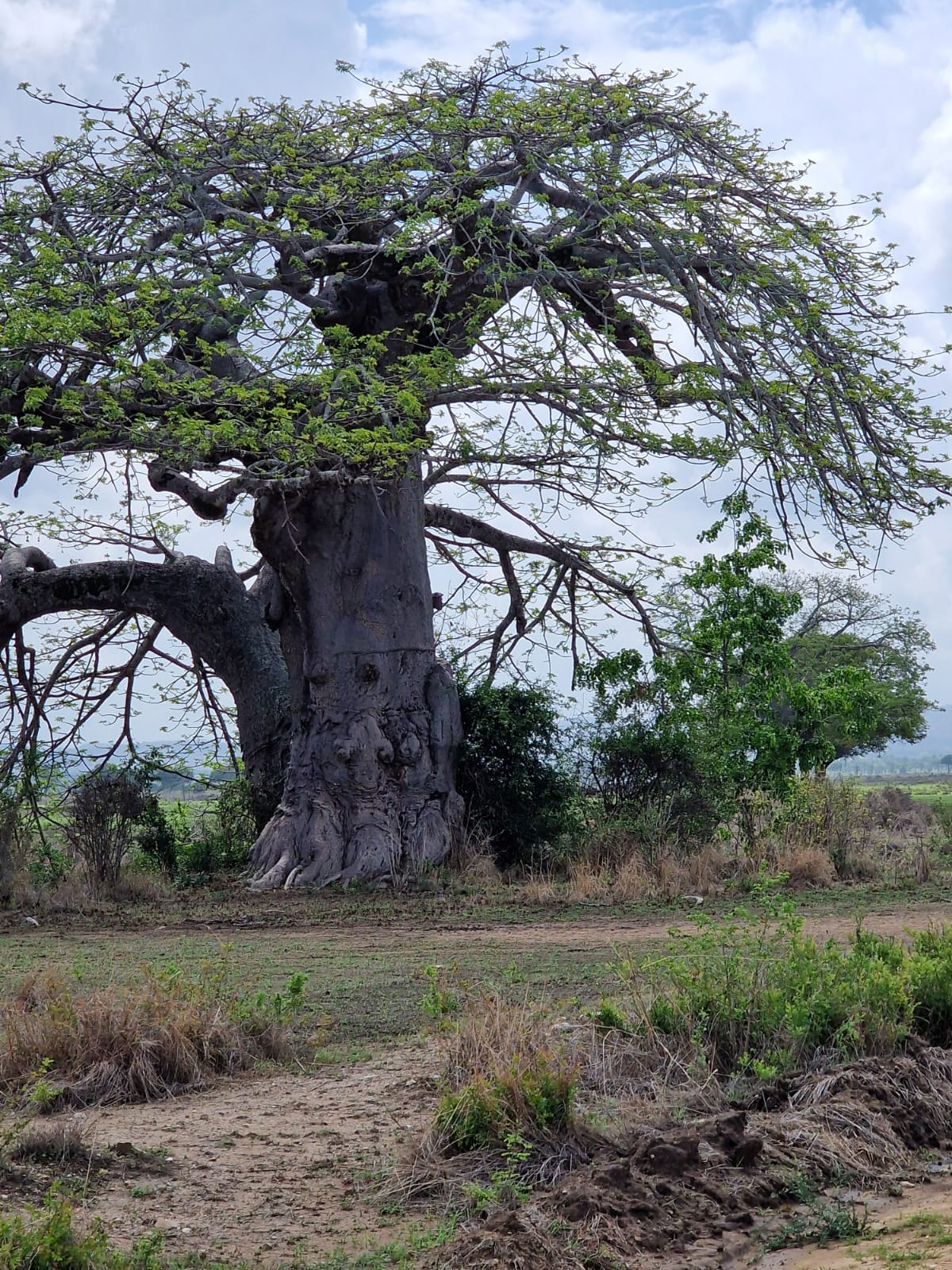
Baobab – Guardian of African Land
"Some trees do not simply provide shade. They provide memories."
The baobab looks as though it has grown directly from history. Its enormous trunk has witnessed generations of residents, travellers and stories passed from one generation to another.
In Africa, people say that if you sit beneath a baobab and listen carefully to the silence, you may hear the story of the land.
Perhaps that is why no photograph can truly capture the emotions of meeting this extraordinary tree for the first time.
Episode 7
Pole Pole – The Secret of Happiness in Zanzibar
"On Zanzibar, nobody asks what time it is. What matters is the moment."
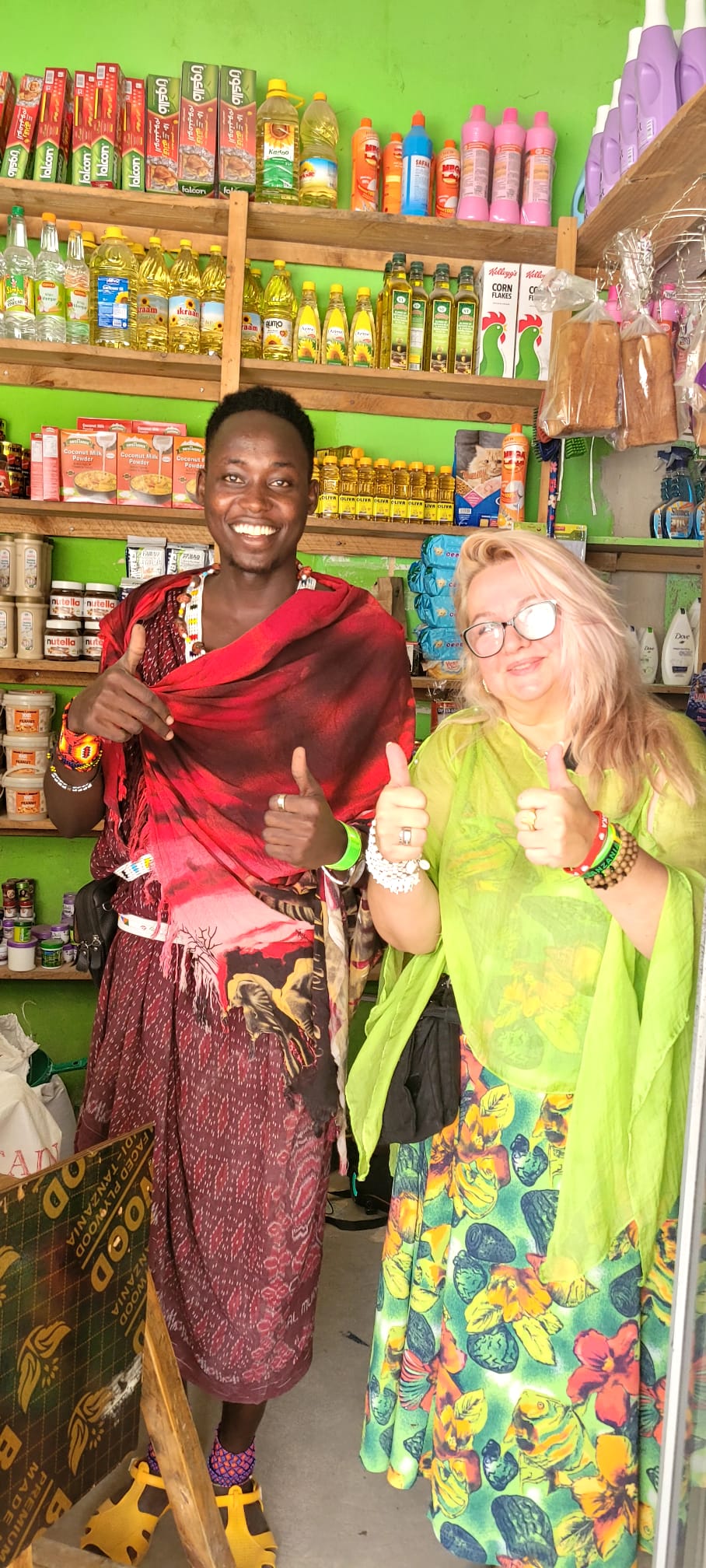
Pole Pole means "slowly", but for the people of Zanzibar it represents much more than two words. It is a way of looking at life.
Without rushing. Without unnecessary stress. With time for conversation, a smile and a sunset.
Perhaps that is why many travellers leave the island with something more than beautiful photographs. They take home a sense of peace that is often missing from everyday life.
Maybe the greatest treasure of Zanzibar is not its paradise beaches, but its ability to enjoy every moment.
Episode 8
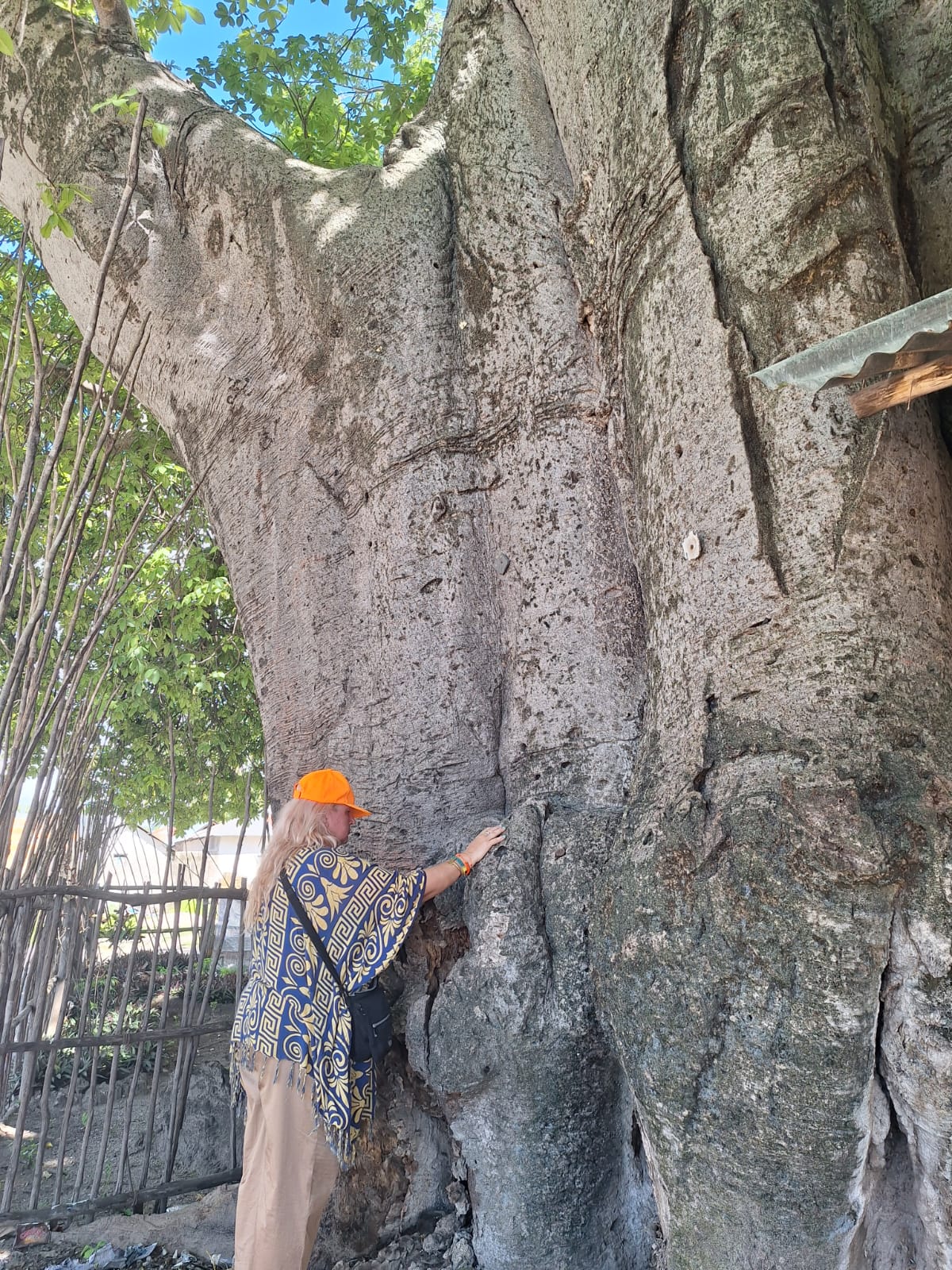
Older Than Islam – Spirits, Baobabs and Ancient Beliefs of Zanzibar
"Before the call of the muezzin echoed across Zanzibar, people listened to the sound of the ocean and believed that the spirits of their ancestors spoke through it."
Before Arab merchants and Islam arrived on the island, Zanzibar had its own traditional beliefs.
People respected nature, believed in the protection of ancestors and recognised the power of places considered sacred. Ancient baobabs, forests and hidden caves inspired both respect and awe, as many believed they were homes of spirits.
Although the vast majority of Zanzibar's population today is Muslim, ancient traditions have not completely disappeared.
In some villages, you can still meet a mganga — a traditional healer who uses plants and preserves knowledge passed down through generations.
These stories remind us that Zanzibar is not only an island of beautiful beaches, but also a place where the past continues to live through the stories of its people.
Episode 9
Mwaka Kogwa – Strike to Forgive
"On Zanzibar, there is a day when nobody gets offended by a blow. Because it is not about fighting — it is about a new beginning."
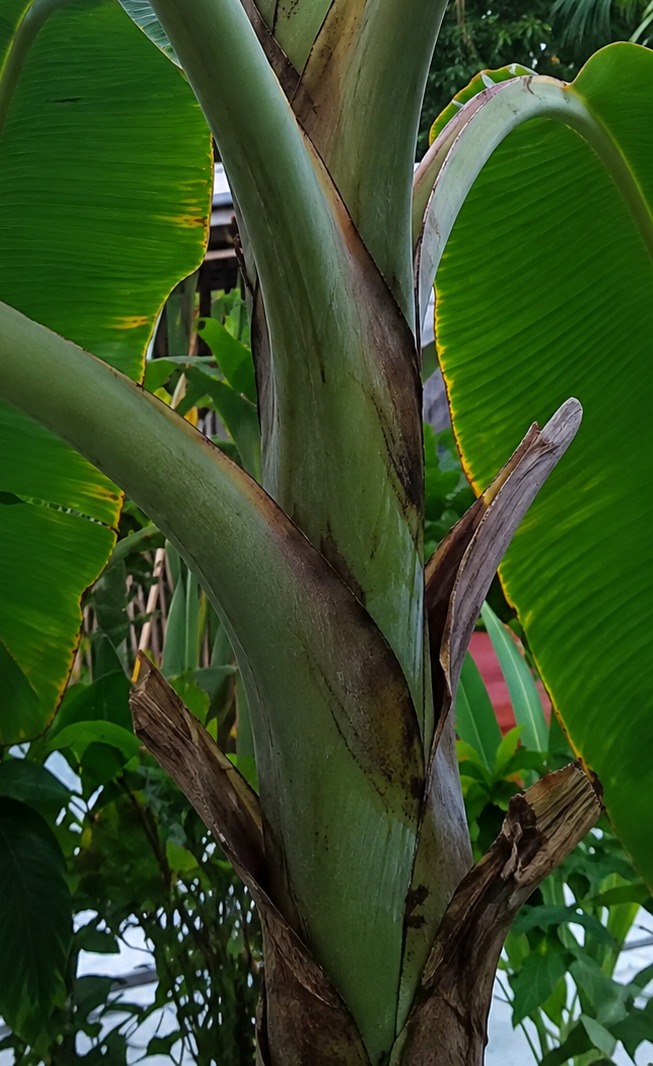
Once a year, something extraordinary happens in the village of Makunduchi. Men take banana stalks and strike each other with them while smiling.
It looks like a battle, but there is no hatred.
This is Mwaka Kogwa — a celebration connected to Persian traditions brought to Zanzibar centuries ago.
Each symbolic strike represents letting go of anger, regret and old conflicts.
When the ritual ends, the grudges end too. The new year begins without anger and with a clean heart.
Perhaps this is why the tradition has survived for centuries. It reminds us of something the modern world often forgets: sometimes the greatest victory is not winning, but knowing how to forgive.
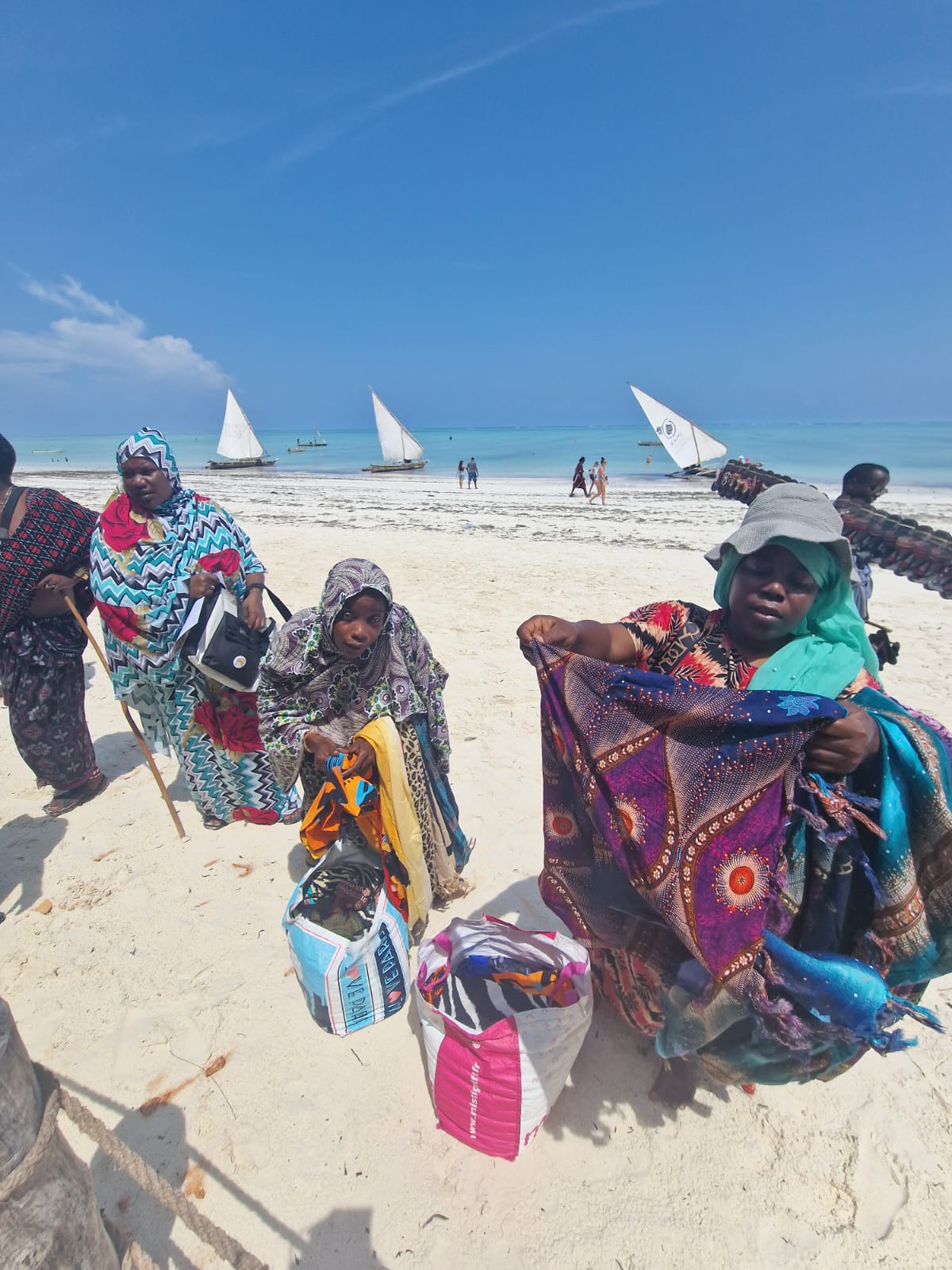
Episode 10
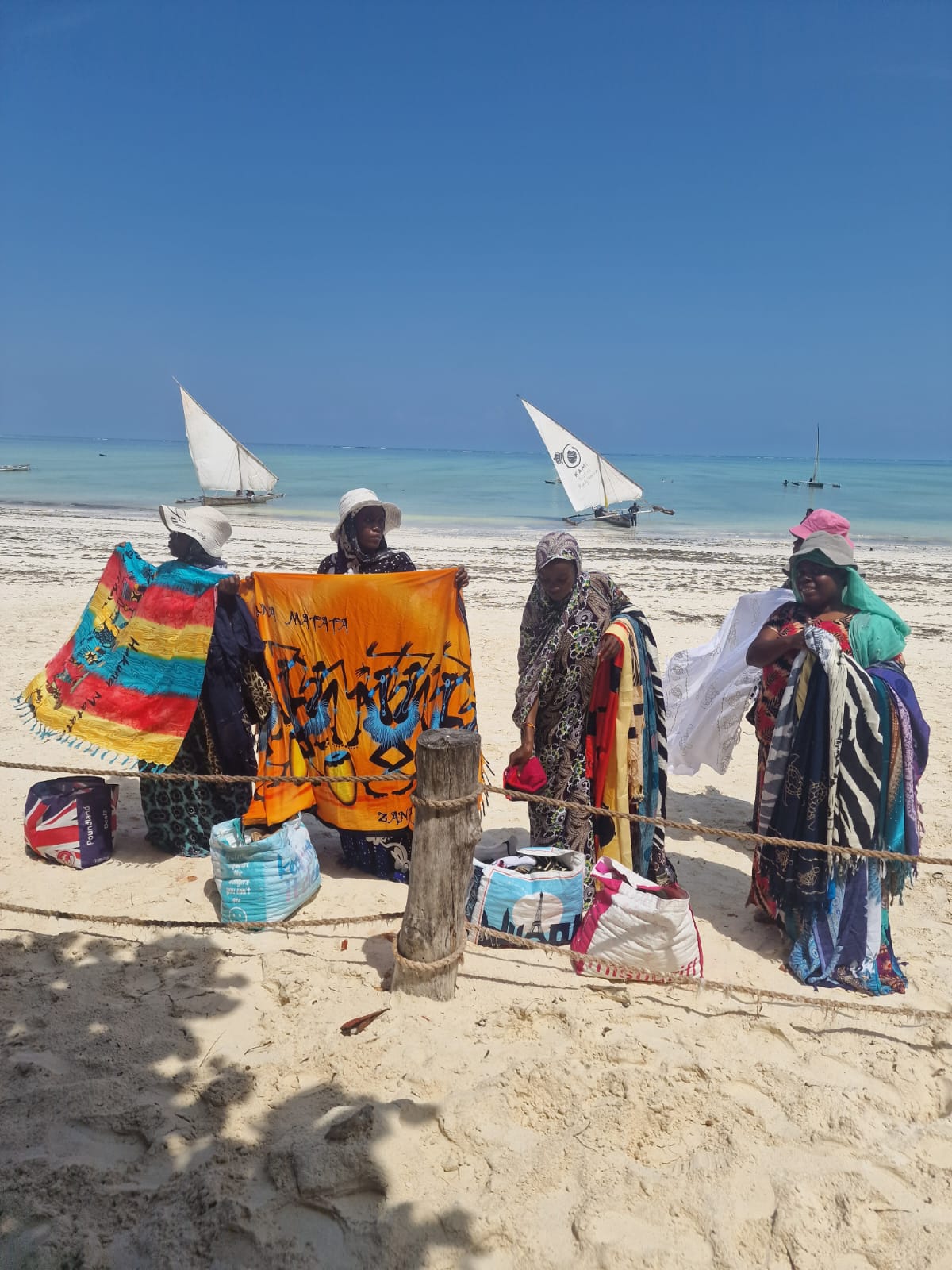
Kanga – A Fabric That Can Speak
"In Zanzibar, sometimes you do not need to say anything. You only need to look at the kanga."
At first glance, it is simply a colourful piece of fabric. For the people of Zanzibar, however, it is much more.
Every kanga carries a message — a short phrase or Swahili proverb that can express happiness, love, gratitude or even a subtle warning.
That is why people say that a kanga can speak without words.
For many women, it is a symbol of identity, tradition and family stories passed from one generation to another.
Patterns and colours are often selected for weddings, celebrations and important ceremonies.
In Zanzibar, even clothing tells a story.
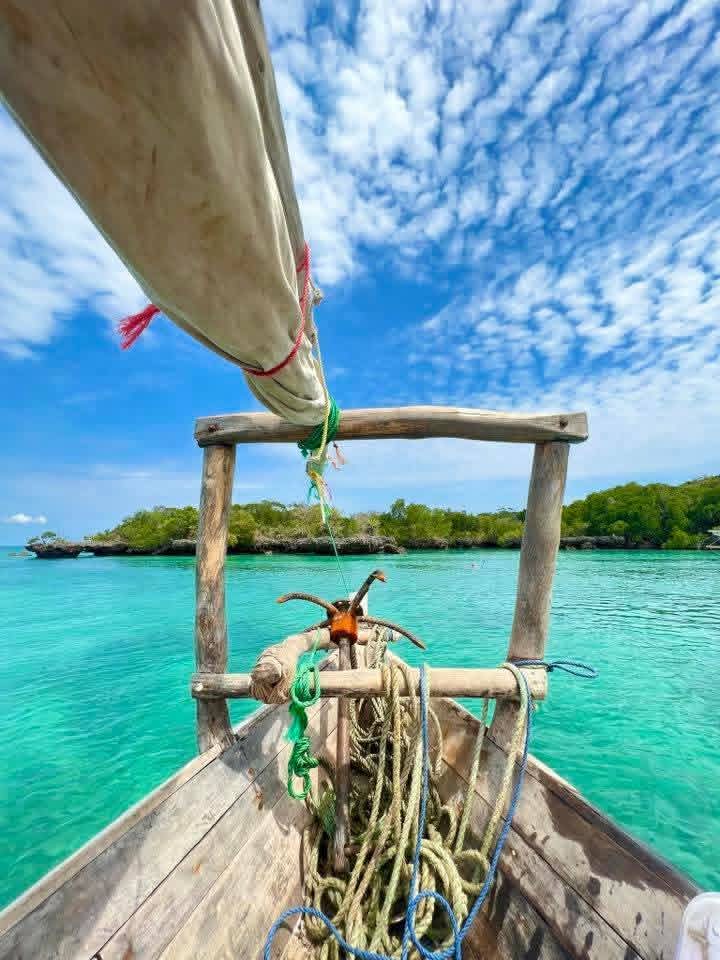
Episode 11
Dhow – Boats That Do Not Chase Time
"There are boats with engines. And there are dhows that sail with the wind — just as they have for centuries."
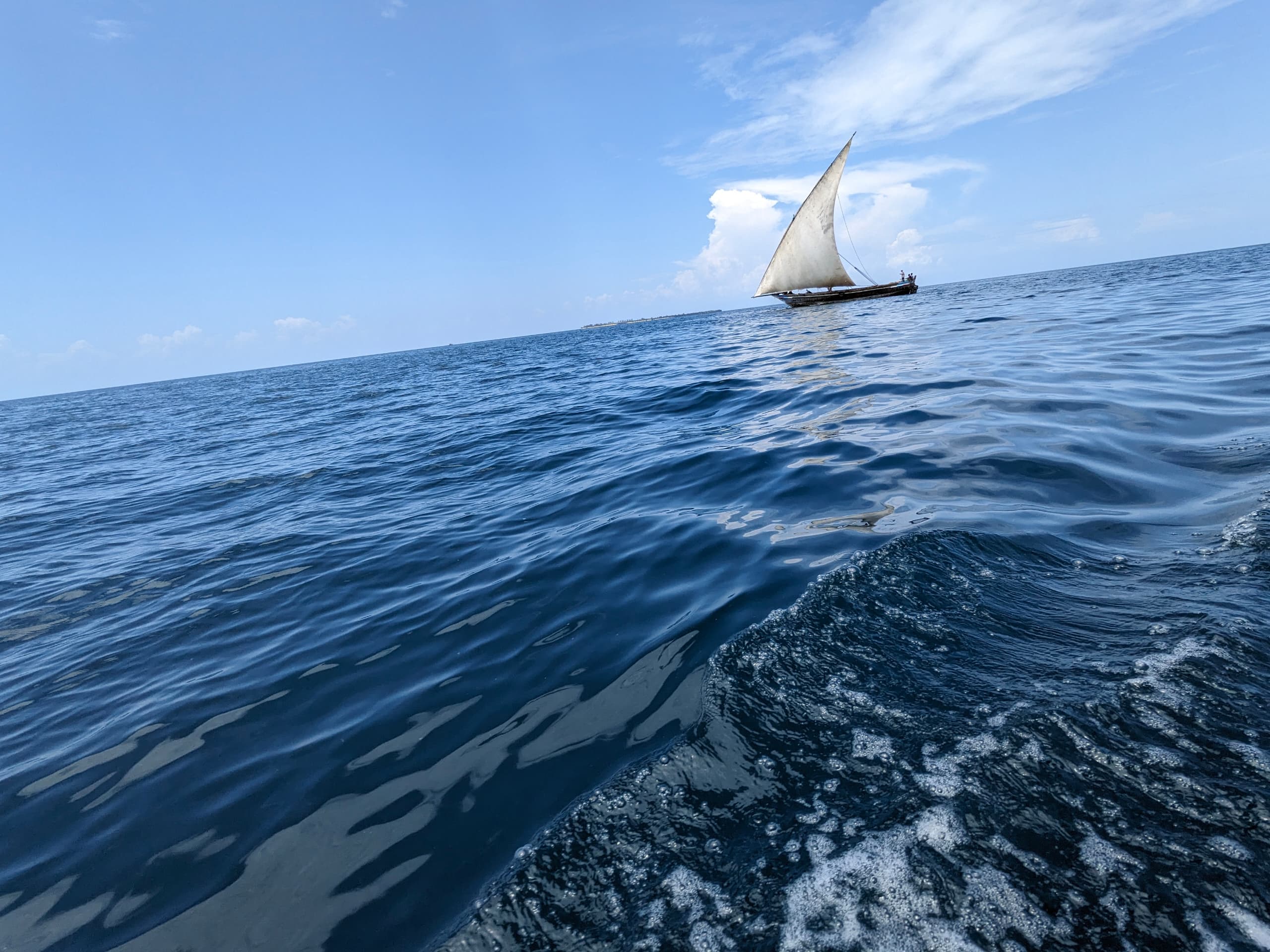
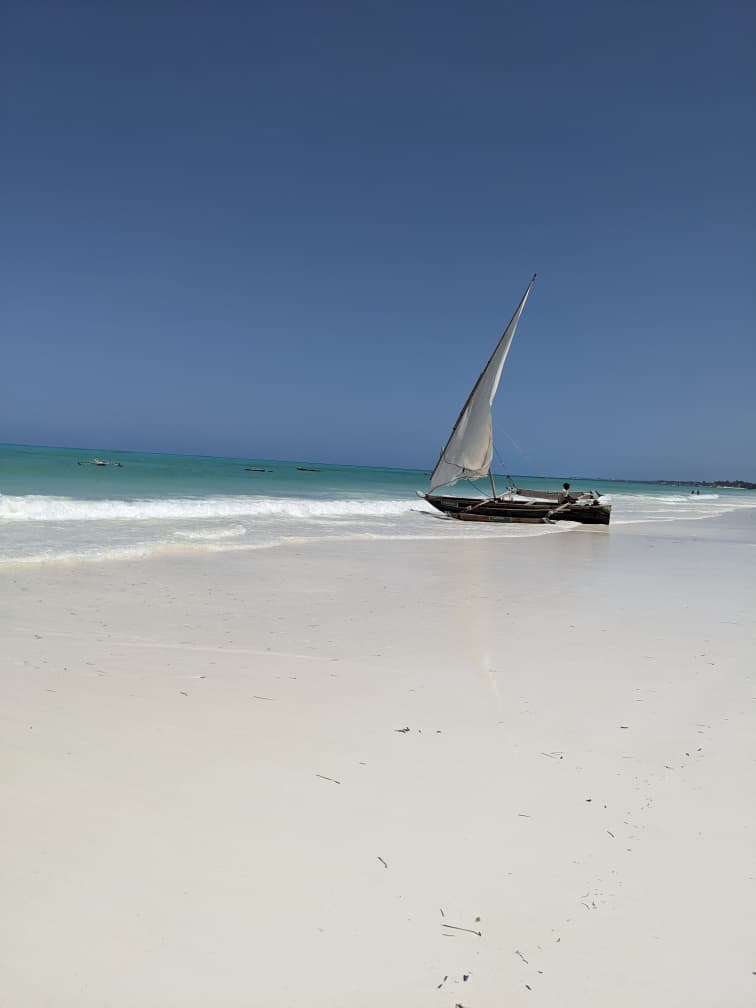
Across the waters of the Indian Ocean, you can still see traditional dhow boats with their distinctive triangular sails.
For centuries, they carried merchants, spices and travellers between Africa, the Arabian Peninsula and India.
Today, they remain one of the defining symbols of Zanzibar. Not because they are the fastest boats, but because they remind us of a time when the sea was the road connecting distant worlds.
A sunset dhow cruise is not simply an excursion. It is a journey through history.
Episode 12
The Ocean Sets the Rhythm of Life
"Here, people do not watch the clock. They watch the ocean."
On Zanzibar, the tides change not only the landscape, but also the daily lives of local communities.
The tides influence when fishermen go to sea, when women begin working with seaweed, and when children head to the beach to play.
The ocean is a clock, a calendar and a teacher of patience. It reminds everyone that everything has its own time.
Episode 13
Women of the Ocean
"When the sea retreats, they begin their day."
During low tide, women appear in the shallow waters of Zanzibar carrying baskets and working among wooden stakes.
For generations, many have worked in seaweed farming — a profession requiring patience and determination.
In the morning sunlight, their silhouettes create one of the most recognisable scenes of Zanzibar.
It is quiet work, but one that has helped many families build a future for generations.
Episode 14
A Morning That Smells of the Ocean
"In Zanzibar, the day begins before sunrise."
While tourists are still sleeping, fishermen return from their night fishing trips.
Buyers and local residents are already waiting on the beach, and fresh fish can change hands within minutes.
There are no huge warehouses or industrial cold rooms. There is the ocean, wooden boats and a tradition that has shaped coastal life for generations.
This is why dawn is one of the best times to experience the authentic side of Zanzibar.

Episode 15
Karibu – A Word That Opens Hearts
"The most beautiful welcome does not always require many words."
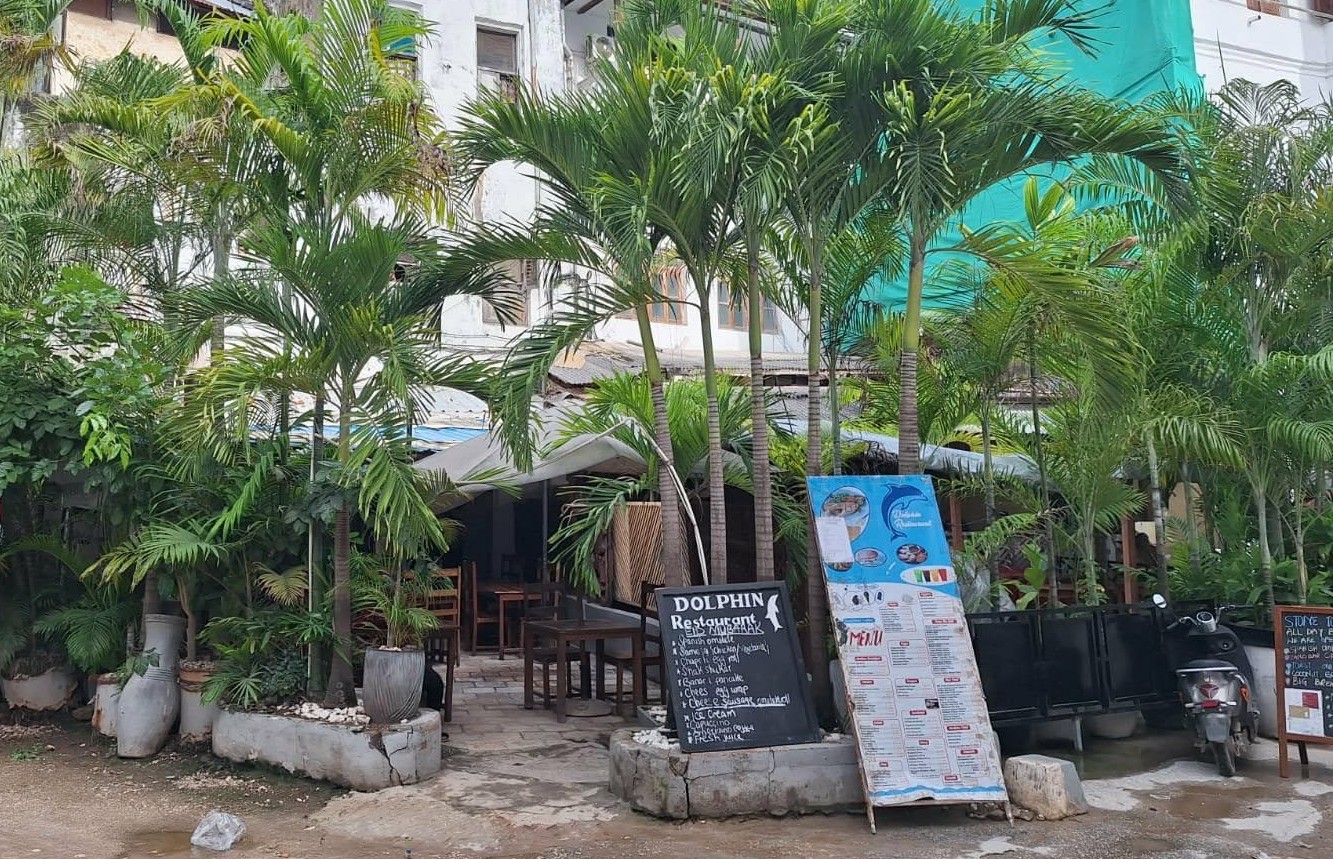
On Zanzibar, you will hear it almost everywhere — Karibu. It means "Welcome" or "You are invited", but it carries something much deeper.
It is an invitation to share a meal, have a conversation and get to know another person.
Hospitality is one of the most beautiful qualities of Swahili culture.
Here, kindness and a smile are natural, and a guest is often treated as someone truly special.
Perhaps that is why so many travellers feel at home in Zanzibar.
Episode 16
Baraza – The Bench Where Stories Are Born
"In Zanzibar, the most important conversations do not happen in offices. They happen outside the home."
In front of many homes in Stone Town and rural villages, you will find stone benches known as baraza.
This is where people meet after work, talk, laugh, resolve disagreements and discuss the events of the day.
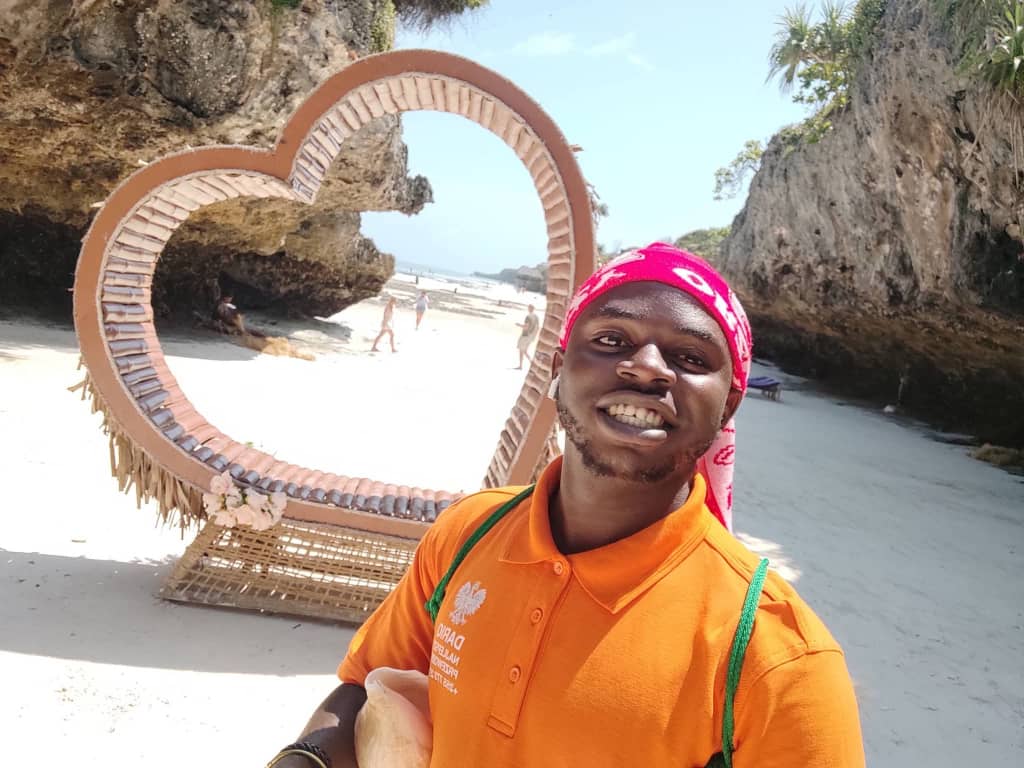
Baraza is more than a place to sit. It is the heart of the neighbourhood and a symbol of community.
Episode 17
Taarab – Music That Tells Stories of Love
"Some feelings cannot be spoken. In Zanzibar, they are sung."
Taarab music developed through a combination of African, Arab and Indian influences.
Its delicate melodies accompany weddings, celebrations and important ceremonies.
It is more than music. It is storytelling about love, longing and life.
Episode 18
Sokoni – The Heart of Every Community
"If you want to discover the real Zanzibar, go where local people do their shopping."
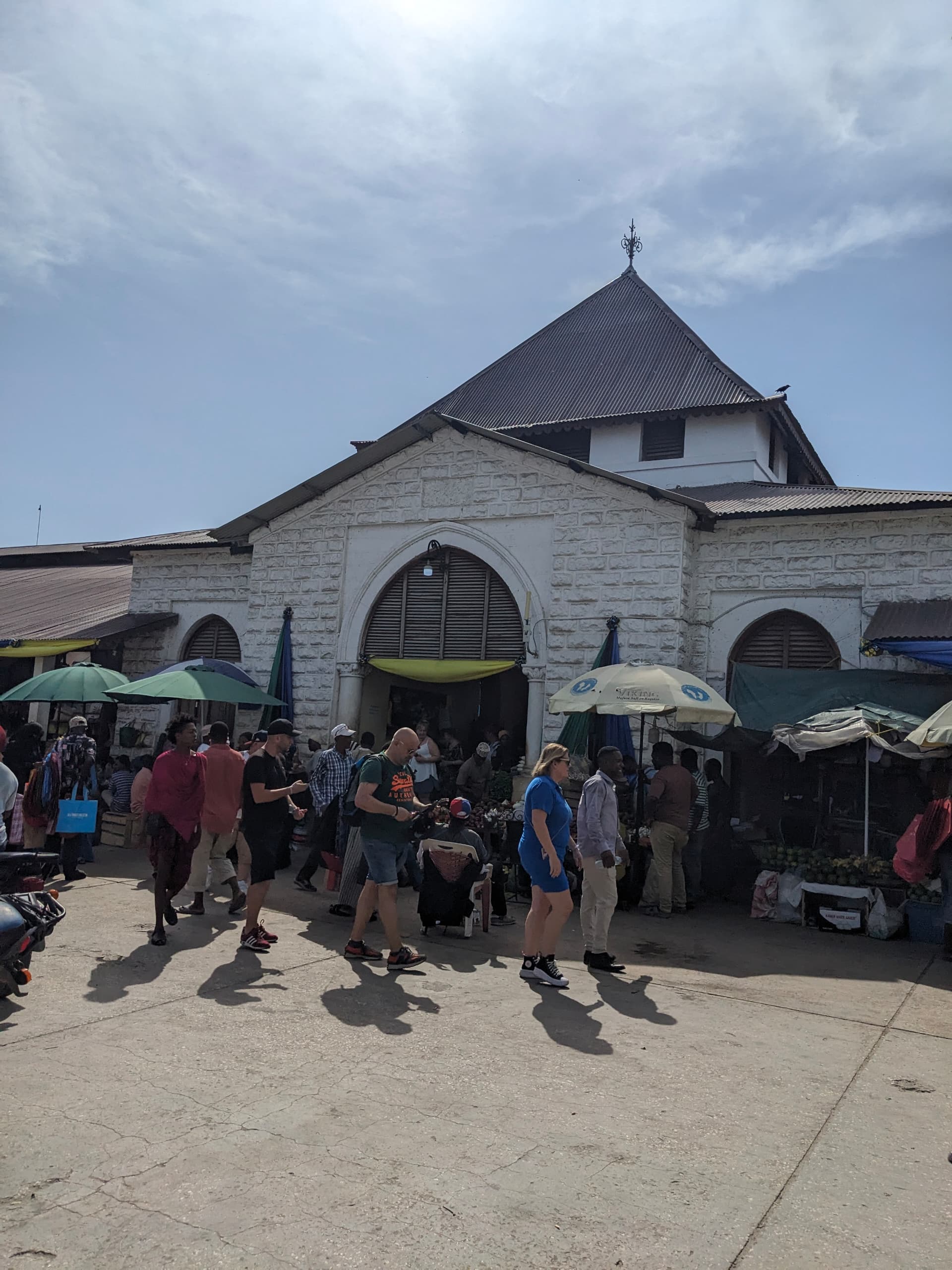
The market, known as sokoni, is filled with colours, aromas and conversations.
Fresh fruit, spices, fish and local delicacies create a vivid picture of everyday life.
This is where you can truly feel the rhythm of the island.

Episode 19
An Evening Under the African Sky
"When the sun sets, Zanzibar slows down even more."
Evenings smell of grilled fish, spices and the ocean. Children play on the beach, neighbours talk outside their homes, and laughter and music can be heard in the distance.
These are moments that are difficult to describe. You simply have to experience them.

Episode 20
The Gentle Giant
"It can reach 12 metres in length and weigh several tonnes... yet it feeds on tiny plankton."
Meeting a whale shark is an experience you never forget. When it appears beneath the surface, time seems to slow down.
Despite its enormous size, it is remarkably calm and gentle.
One of the world's best places to encounter these extraordinary creatures is Mafia Island in Tanzania.
Swimming alongside this ocean giant is a humbling experience.
Because some encounters stay in your memory for a lifetime.

Episode 21
Guardians of Jozani Forest
"Not all of Zanzibar's treasures can be found on the beach. Some are waiting high in the treetops."
Deep inside Jozani Forest live some of the island's rarest residents — the Zanzibar red colobus monkeys.
These remarkable animals occur naturally only in Zanzibar and have become one of the island's symbols.
They are not particularly afraid of people. They may watch visitors with curiosity, jump from branch to branch and sometimes stop only a few steps away from the trail.
Meeting a red colobus is not simply an opportunity to see wildlife. It feels like meeting the true spirit of Jozani Forest.
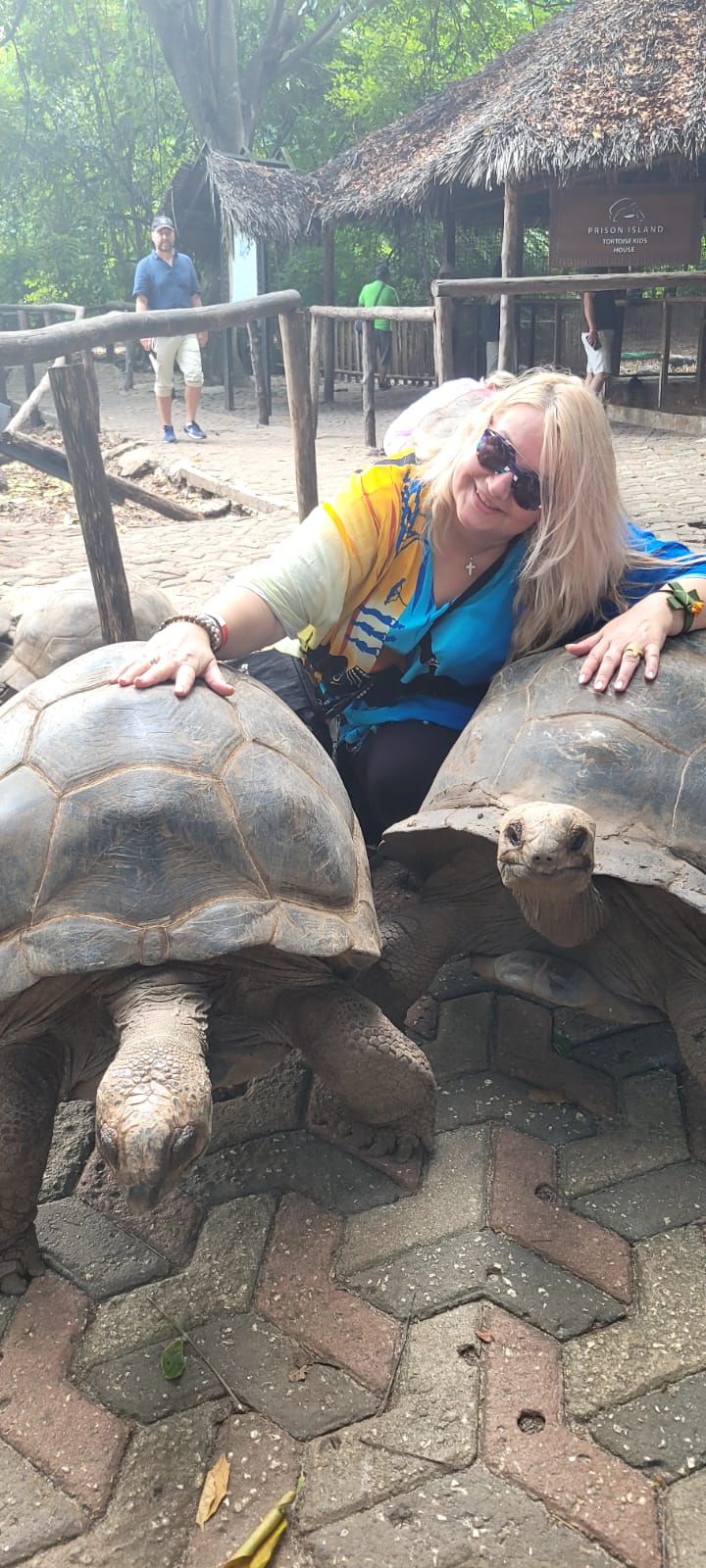
Episode 22
Tortoises That Remember More Than People
"Some journeys last a few hours. Their journey has already lasted more than a century."
On Prison Island live giant Aldabra tortoises, among the longest-living animals in the world.
Some are more than one hundred years old and have witnessed a Zanzibar that looked completely different from today.
They move slowly, as though time has no meaning to them.
Meeting them is not simply a tourist attraction. It is a moment that teaches patience, respect and wonder at the extraordinary nature of life.
On Prison Island, you do not meet only tortoises. You meet a living part of Zanzibar's history.
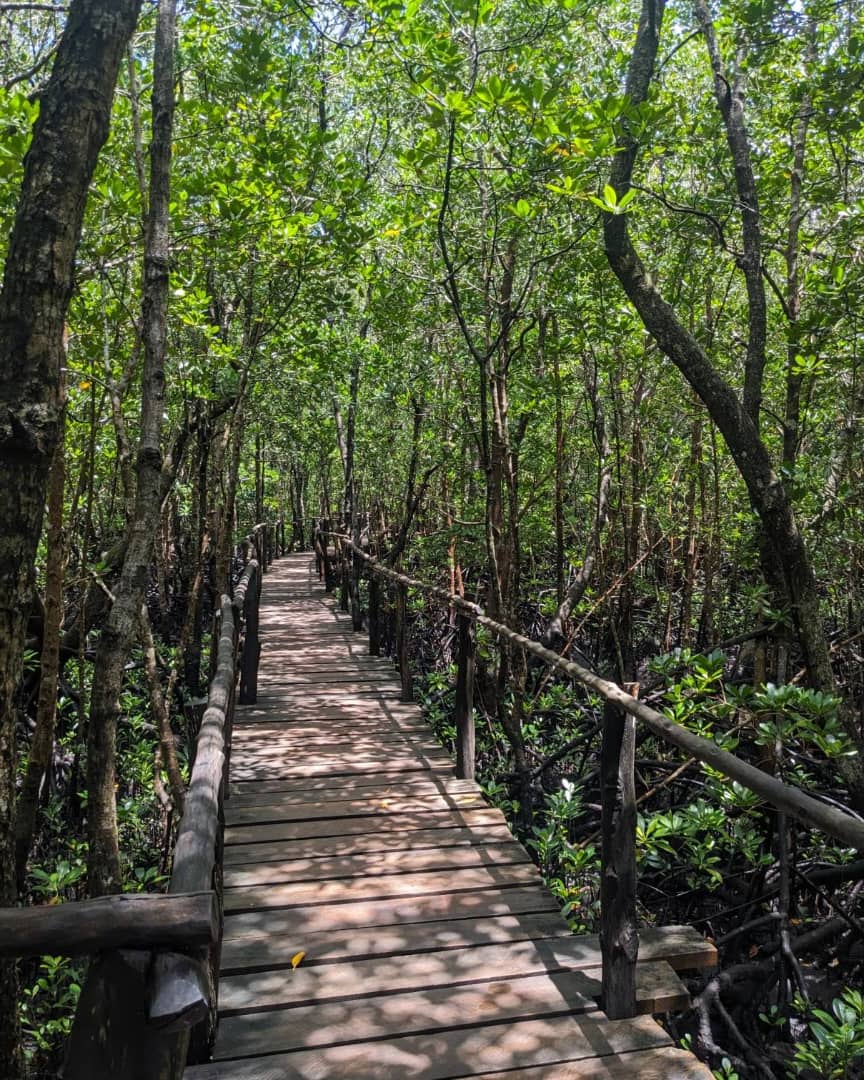
Episode 23
The Forest That Breathes with the Ocean
"Twice a day it disappears beneath the water... and twice a day it is born again."
Mangrove forests are among the most fascinating ecosystems found around Zanzibar.
Trees grow where land meets ocean, while their tangled roots create natural labyrinths filled with life.
During high tide, the sea surrounds their trunks. When the water retreats, it reveals a world of crabs, fish and birds.
This is not a place that overwhelms you with bright colours. It captivates you with a peacefulness that comes directly from nature.
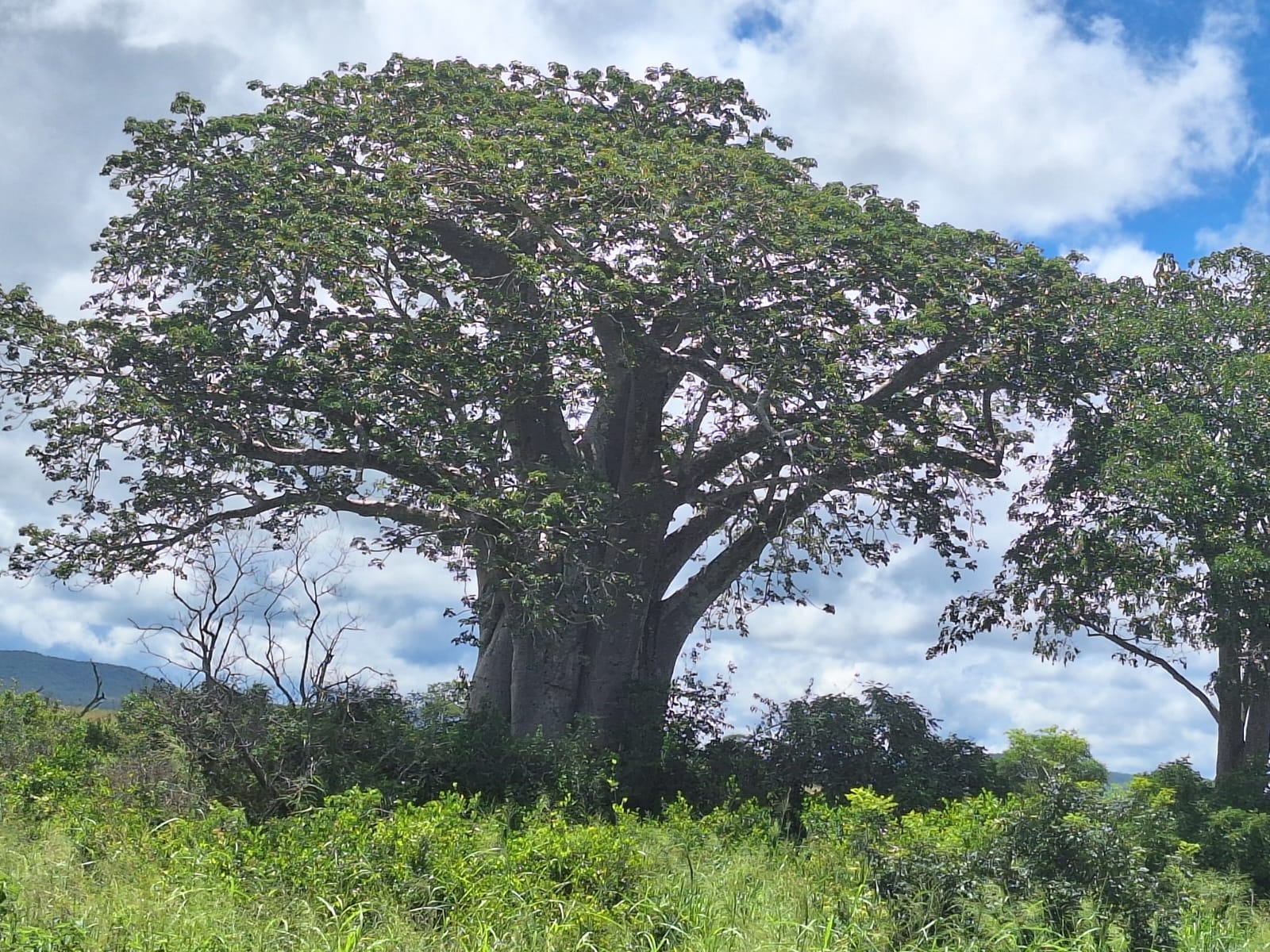
Episode 24
Baobab – The Tree That Remembers Generations
"If trees could tell stories, the baobab would be their oldest historian."
Across Zanzibar and Tanzania, the baobab has inspired admiration and respect for generations.
Its enormous trunk stores water, allowing it to survive even difficult periods of drought.
For local communities, it represents life, strength and resilience.
Sit beneath a baobab for a moment. Listen to the birds and the wind.
Then you may understand why, for generations, these trees have been places for meetings, conversations and rest.
Episode 25
A Sky Full of Diamonds and Sand That Shines at Night
"In Zanzibar, the day fascinates you with the colours of the ocean, but the night reveals an entirely different kind of magic."
When the sun disappears beyond the horizon, the island does not sleep.
A velvet sky stretches above Zanzibar, filled with thousands of stars that look like scattered diamonds.
Then the moon appears. Its light falls across the white beaches, and the fine coral sand begins to shimmer softly.
Every step leaves a footprint in the silver glow.
Because Zanzibar is not only seen with the eyes. Zanzibar is felt with the heart.
Episode 26
Women of the Ocean – Zanzibar's Green Gardens
"When the ocean reveals its floor, women enter the water to collect the gifts of the sea."
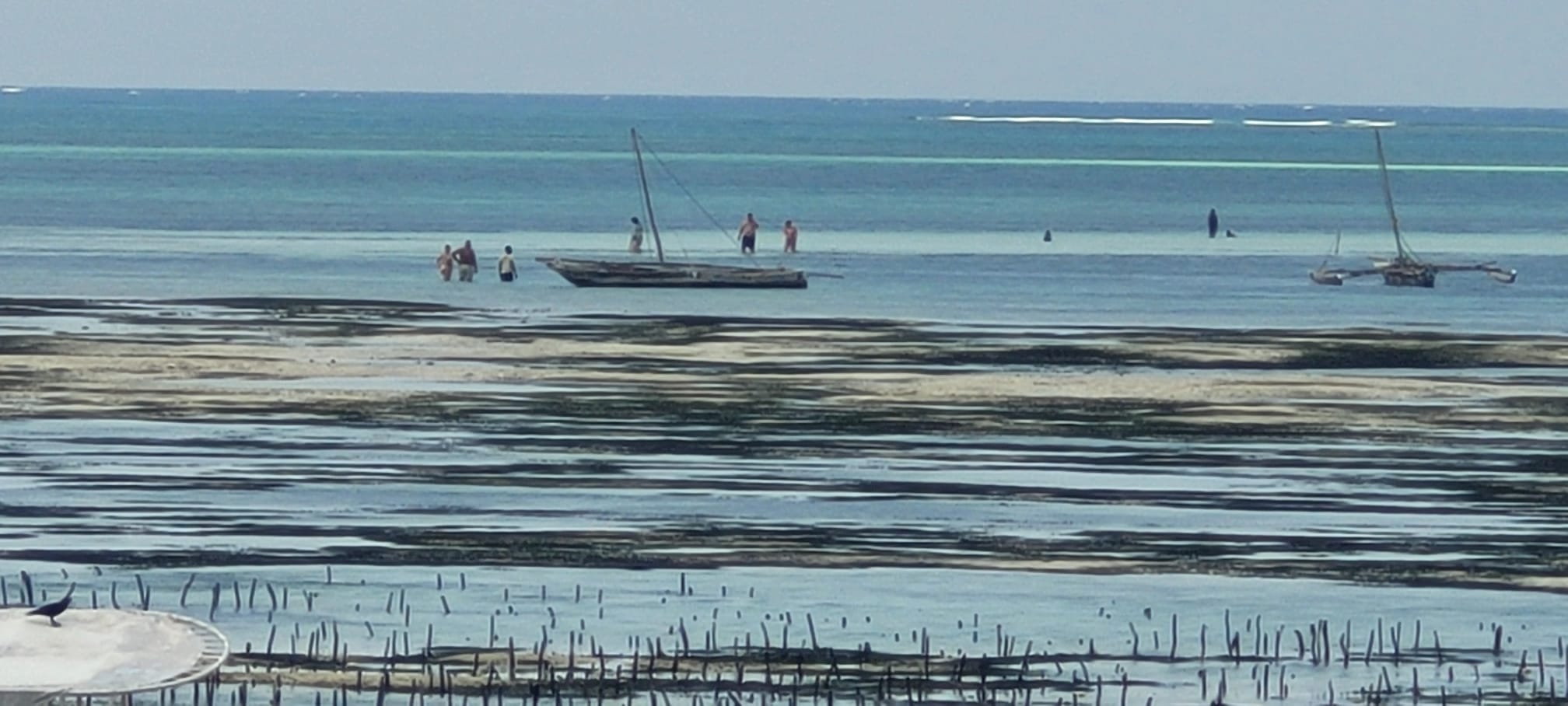
On the eastern coast of Zanzibar, low tide reveals an extraordinary landscape.
Between wooden stakes stretch green fields of seaweed.
For generations, women have cultivated seaweed here. Early in the morning, they walk barefoot into shallow water, care for their marine crops and harvest mature plants.
The real Zanzibar is created not only by beautiful landscapes. It is created by people who have lived in harmony with the ocean for generations.
Episode 27
Zanzibar – Not One Island, but a World of Islands
"When you think you have discovered Zanzibar, the ocean shows you that you have only just begun."
Many people say, "I am going to Zanzibar", imagining a single paradise island.
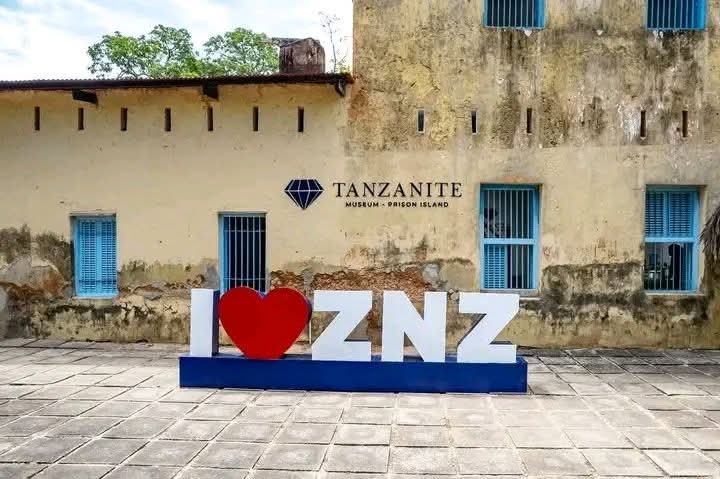
In reality, Zanzibar is an extraordinary archipelago in the Indian Ocean.
The largest island is Unguja. But Zanzibar is also connected with islands such as Pemba, Mafia, Prison Island, Mnemba, Tumbatu and many others — each with its own history and unique atmosphere.
The real Zanzibar is not one point on a map. It is a story scattered across many islands.
Episode 28
The Boy from the Beach Who Speaks the Language of the Ocean
"For some, the ocean is a view. For others, it is home."
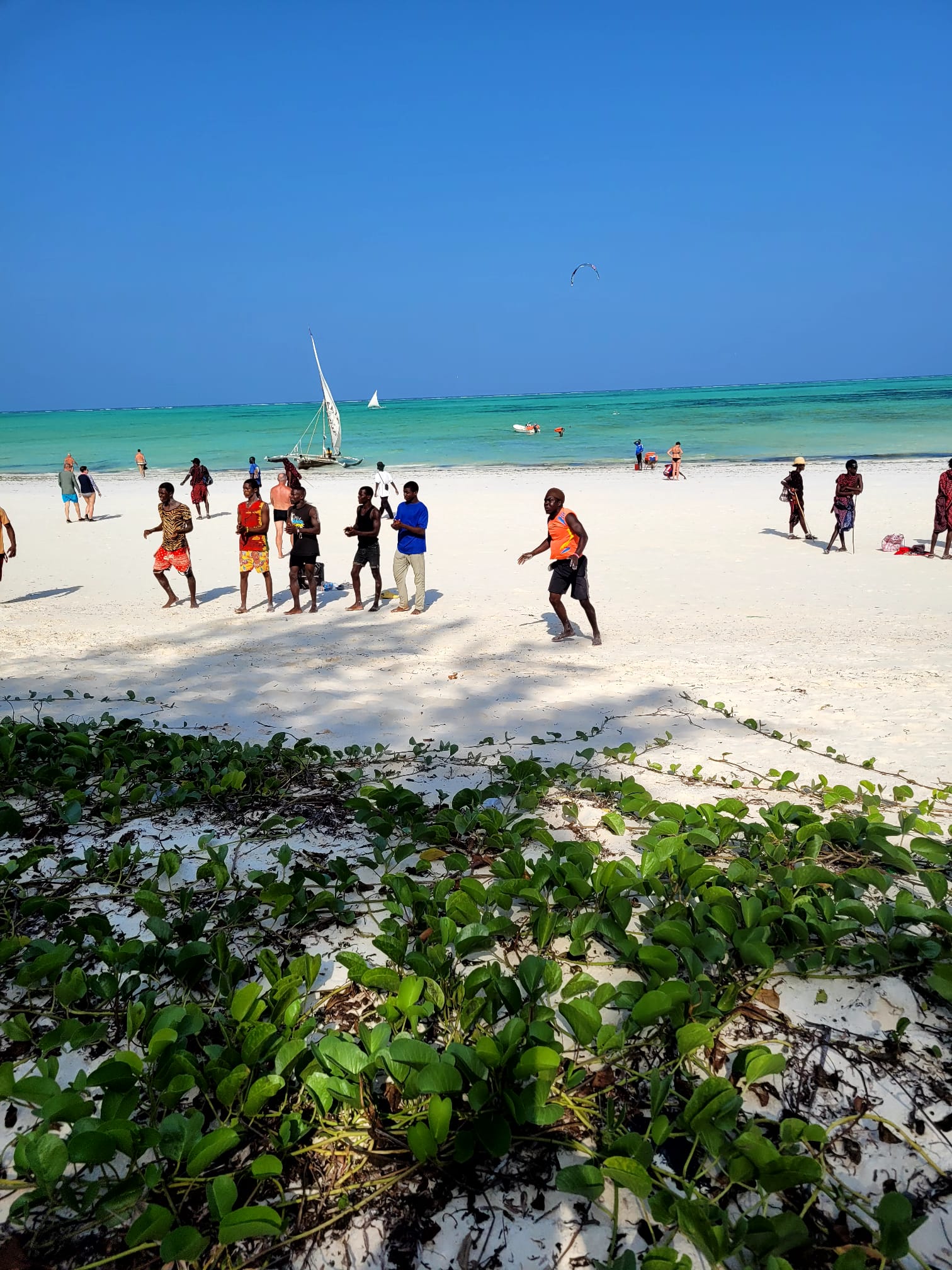
Children in Zanzibar grow up close to the sea. From an early age, they learn about tides, waves and the direction of the wind.
They know when fish will come closer to shore, when the ocean will allow them to go farther out and when it is better to wait.
For them, the beach is not simply a holiday destination. It is a school of life.
Episode 29
The Fisherman's Morning – Before the Island Wakes
"The most beautiful Zanzibar begins when most of the world is still asleep."
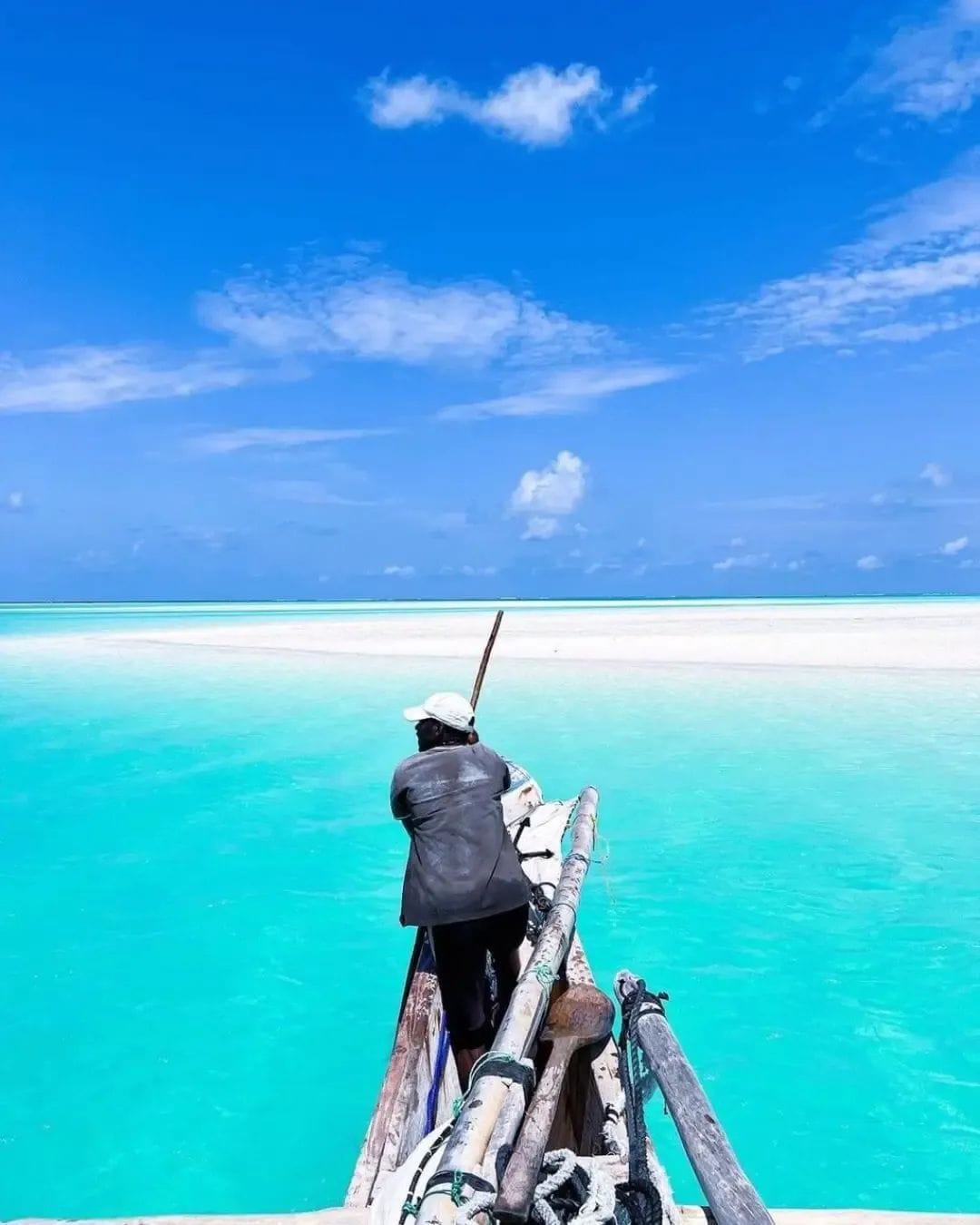
Before sunrise, fishermen head out onto the ocean. A wooden boat, a dhow sail and calm water — this is how their day begins.
They do not fight the ocean. They listen to it.
For generations, they have learned that the sea must be respected.
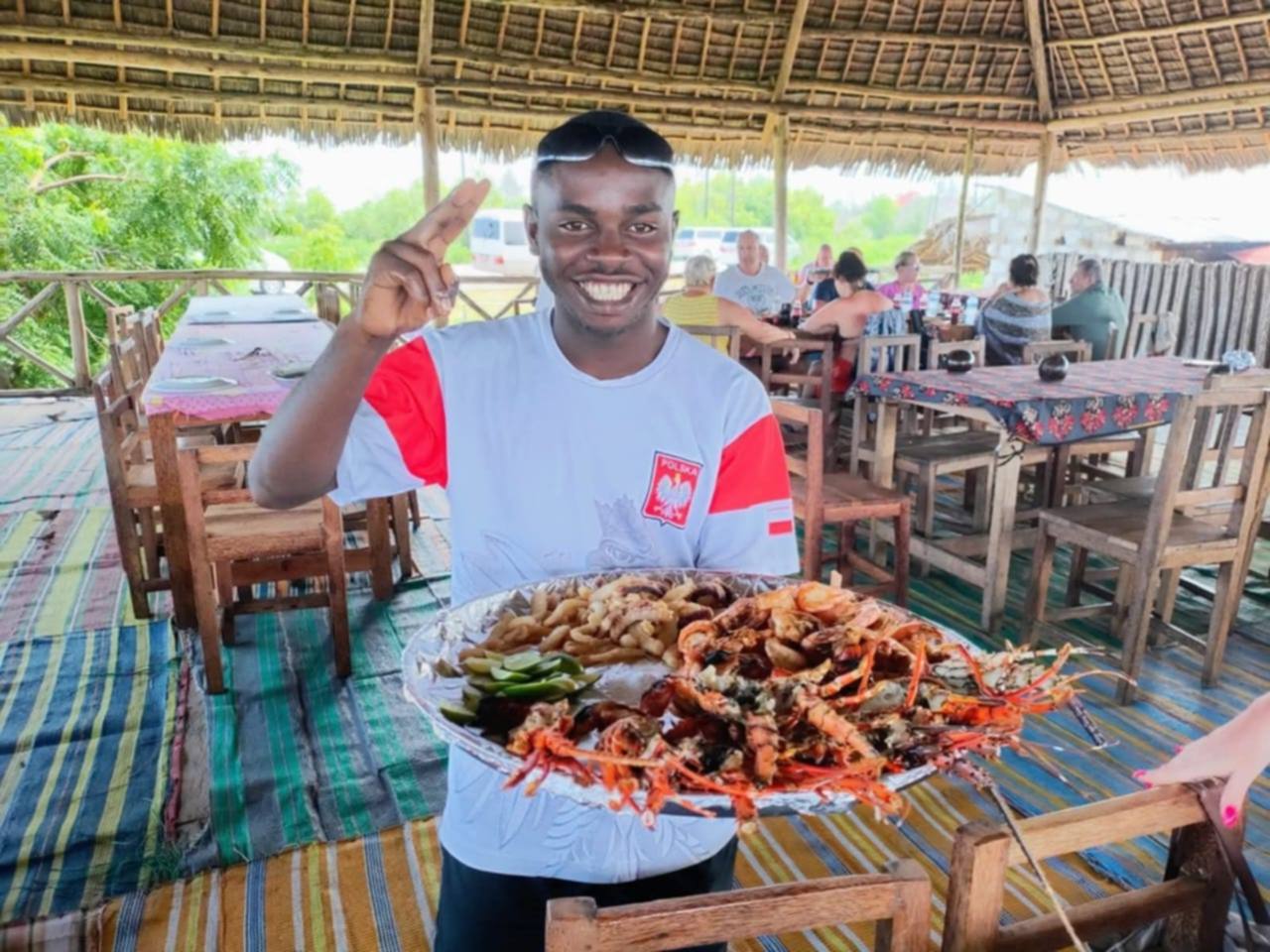
Episode 30
The Smell of Home – Cuisine That Connects Generations
"Some memories begin with a single smell."
In Zanzibar, food is more than a meal. It is a gathering.
Spiced rice, fresh seafood, coconut, cardamom and cinnamon create the flavours of the island.
Recipes are passed from mothers to daughters, and every home has its own little secrets.

Episode 31
The Children of Zanzibar – Smiles Bigger Than the World
"They may not have everything, but they know how to give something money cannot buy."
Children in Zanzibar often welcome visitors with enormous curiosity and natural joy.
Their laughter, games on the sand and simple gestures remind us that happiness is often found in the simplest things.
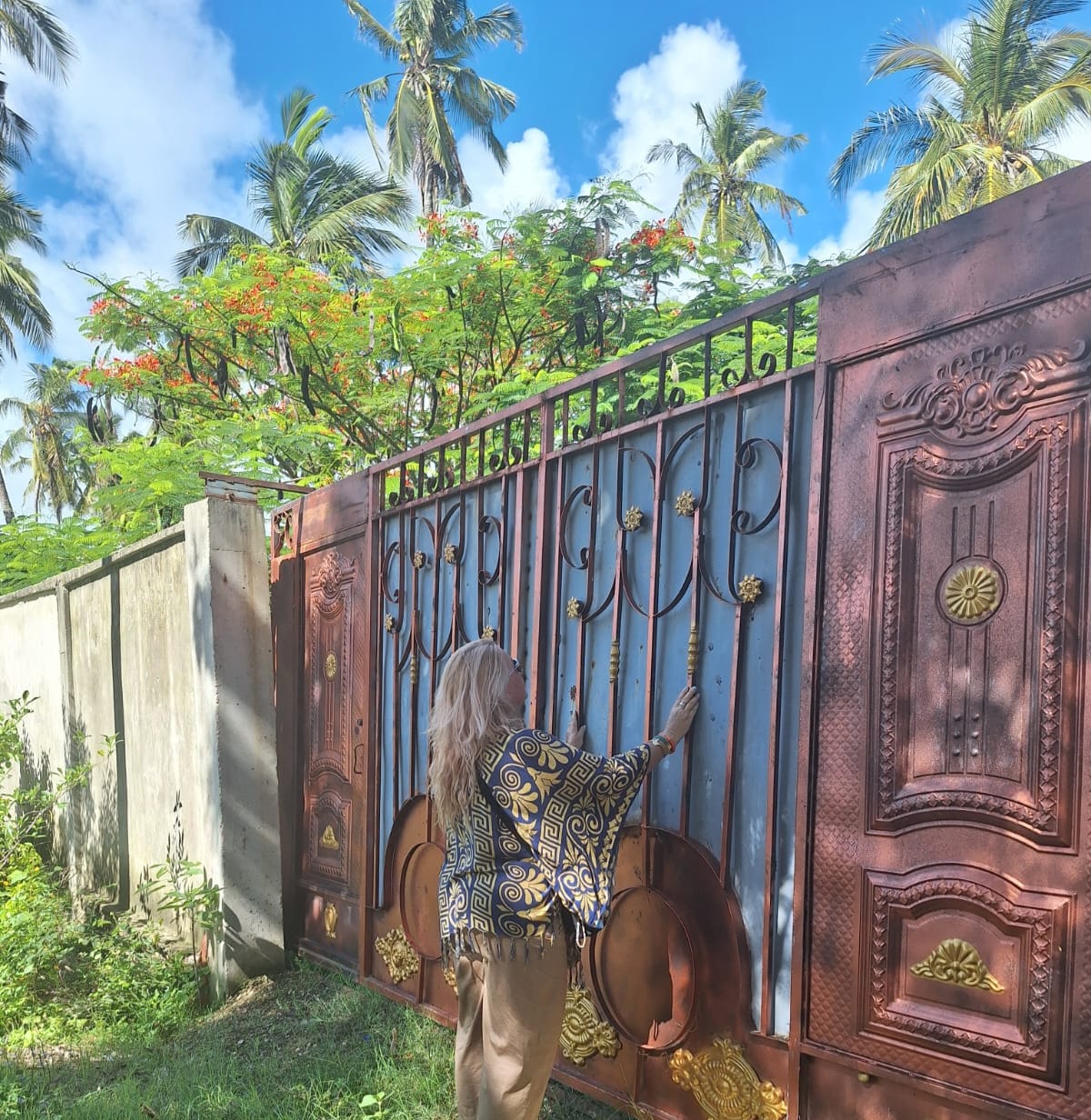
Episode 32
Farewell to Zanzibar
"The hardest moment of a journey comes when you have to say: see you again."
The final evening. The suitcase is ready. The last walk along the beach. The final sunset.
And one thought remains:
"I arrived as a guest. I leave with a piece of this island in my heart."